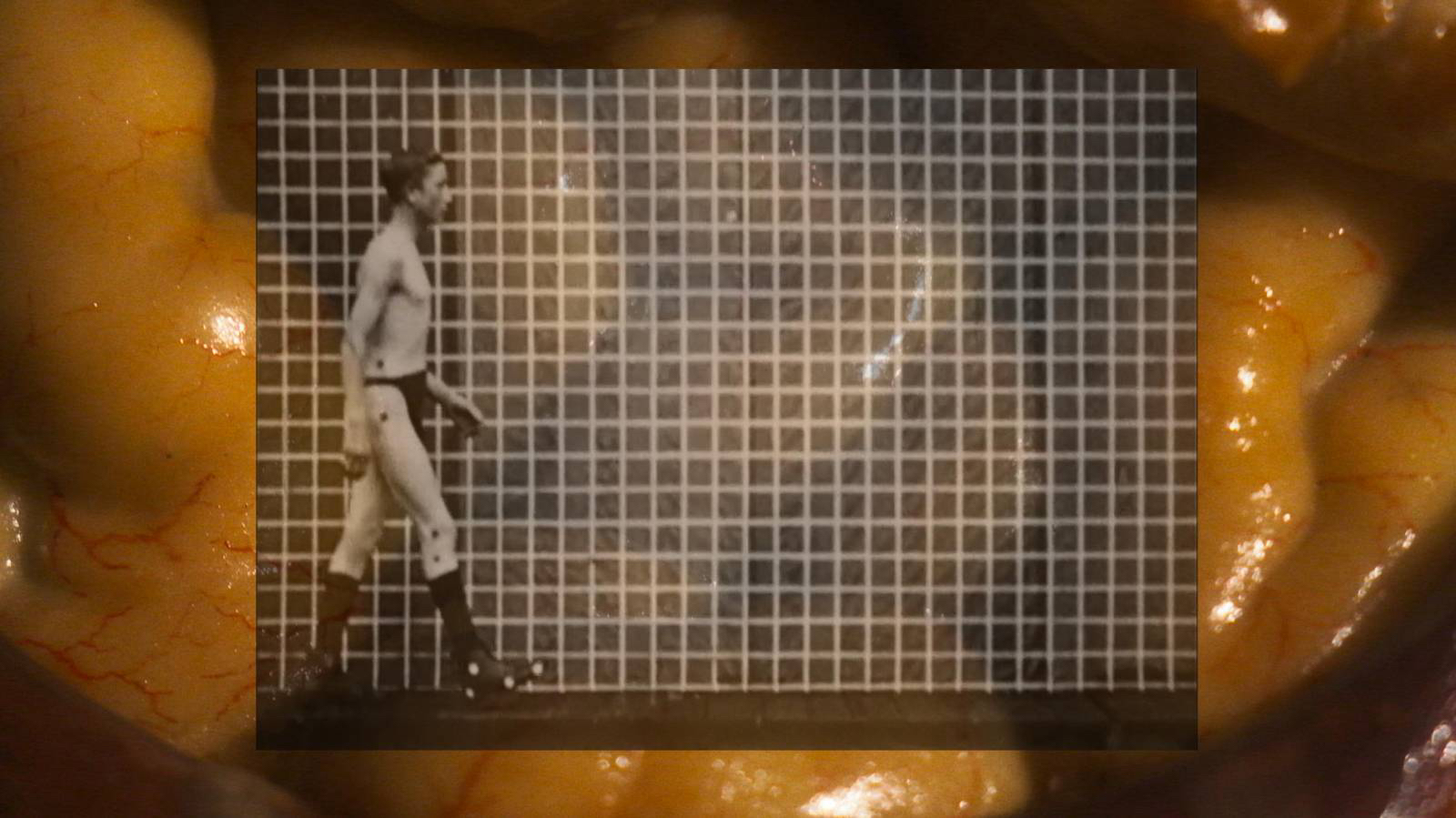
In der Ausstellung “Photons received, photons responded” zeigen zwei Künstlerinnen und Naturwissenschaftlerinnen ihre neuen Arbeiten – basierend auf ihrem Austausch und ihrer gemeinsamen Auseinandersetzung mit der solaren Strahlung und den uns umgebenden Strahlungprozessen. Das neugierige Verfolgen der Trajektorien der Photonen sensibilisiert für die Nicht-Linearität und Periodizität der Prozesse. Das künstlerische Auseinandernehmen von physikalisch optischen Gesetzen in der Dunkelkammer, sowie Messung und numerische Modellierung des Strahlungstransfers der Atmosphäre, zeigen dass die Naturgesetze uns immer wieder neu überraschen und verzaubern.
Die elektromagnetische Abstrahlung (also auch das Licht) ausgehend von der solaren Kernschmelze der Sonne, erreicht die Erde und ermöglicht Leben auf unserem Planeten. Diese Strahlung durchdringt und erwärmt unsere Atmosphäre und ermöglicht Photosynthese, treibt unser Wettersystem an und ist für unzählige komplexe Wechselwirkungen verantwortlich. Sogar fossile Energieträger basieren indirekt auf der Kernfusion der Sonne. Von dieser Fülle wird nur ein kleiner Teil wahrgenommen oder genutzt.
Die Künstlerinnen stellen nichts in Aussicht oder erheben Anspruch, sondern bieten einen naturwissenschaftlichen Fokus im künstlerischen Kontext an. Zu sehen sind experimentelle fotografische Arbeiten, eine Klangarbeit, eine performative Intervention, ein künstlerisch system analytischer Forschungstext, eine Lichtinstallation und Plots numerischer Simulationsergebnisse.
*** ENGILSH VERSION
In the exhibition “Photons received, photons responded” two artists and scientists show their latest works – based on their exchange and their joint examination of solar radiation and the radiation processes that surround us. Curiously following the trajectories of the photons sensitizes to the non-linearity and periodicity of the processes. The artistic dismantling of physical-optical laws in the darkroom, as well as measurement and numerical modeling of the radiative transfer of the atmosphere, show that the laws of nature surprise and enchant us again and again.
The electromagnetic radiation (also the light) from the solar core meltdown of the sun reaches the earth and enables life on our planet. This radiation penetrates and warms our atmosphere, enabling photosynthesis, powering our weather system, and responsible for myriad complex interactions. Even fossil fuels are indirectly based on the sun’s nuclear fusion. Only a small part of this abundance is perceived or used.
The artists promise nothing or make any claims, but offer a scientific focus in an artistic context. Experimental photographic works, a sound work, a performative intervention, an artistic-system analytic research text, a light installation and plots of numerical simulation results can be seen.
Celine Struger, Kristin Weissenberger & Patrícia J. Reis
OPENING: 10.3.2023, 19h – 22h
FINISSAGE: 21.04.2023, 19h-22h
EXHIBITION DURATION: 11.3 — 21.4.2023
OPENING HOURS: Every Saturday from 12h – 17h
Mz* Baltazar’s Lab
Jägerstraße 52-56
1200 Wien
Photo credits: Verena Tscherner
Mz* Baltazar’s Lab is proud to announce the first exhibition of our 2023 program focusing on collaborative artist projects between female* identified artists.
Celine Struger, Kristin Weissenberger & Patrícia J. Reis collaborated for the first time in a joint project on the intersection of ceramics and its cultural and feminist background. The artists coming from different backgrounds and practices aim to shed light on the emancipation history of female artists and their exploration of the relationship between ceramics, hacking and other fields of art.
The exhibition will feature the result of a collaboration that was initiated two years ago, highlighting their recent collaborative action at the Donauinsel in Vienna, in which they reclaim public space as a radical attitude towards sustainable and ethical hardware, autonomy, and a DIY approach to ceramic production. Visitors will witness the group’s artwork, including their ceramics produced using traditional techniques, as well as the documentation of their action.
The collaboration journey began with their shared interest in ceramics and their exploration of traditional techniques to resist capitalist production methods. The group furthered their commitment to anti-capitalist practices by incorporating sustainable methods for producing ceramics. They continued their exploration of autonomy by reclaiming and hacking the city infrastructure and questioning the idea of public space and ownership.
The exhibition also aims to showcase feminist hacking as a strategy for emancipation in the art, science, and technology fields. This approach to new materialism promotes emancipation through the agency of materials, and visitors will be able to witness this in action throughout the exhibition.
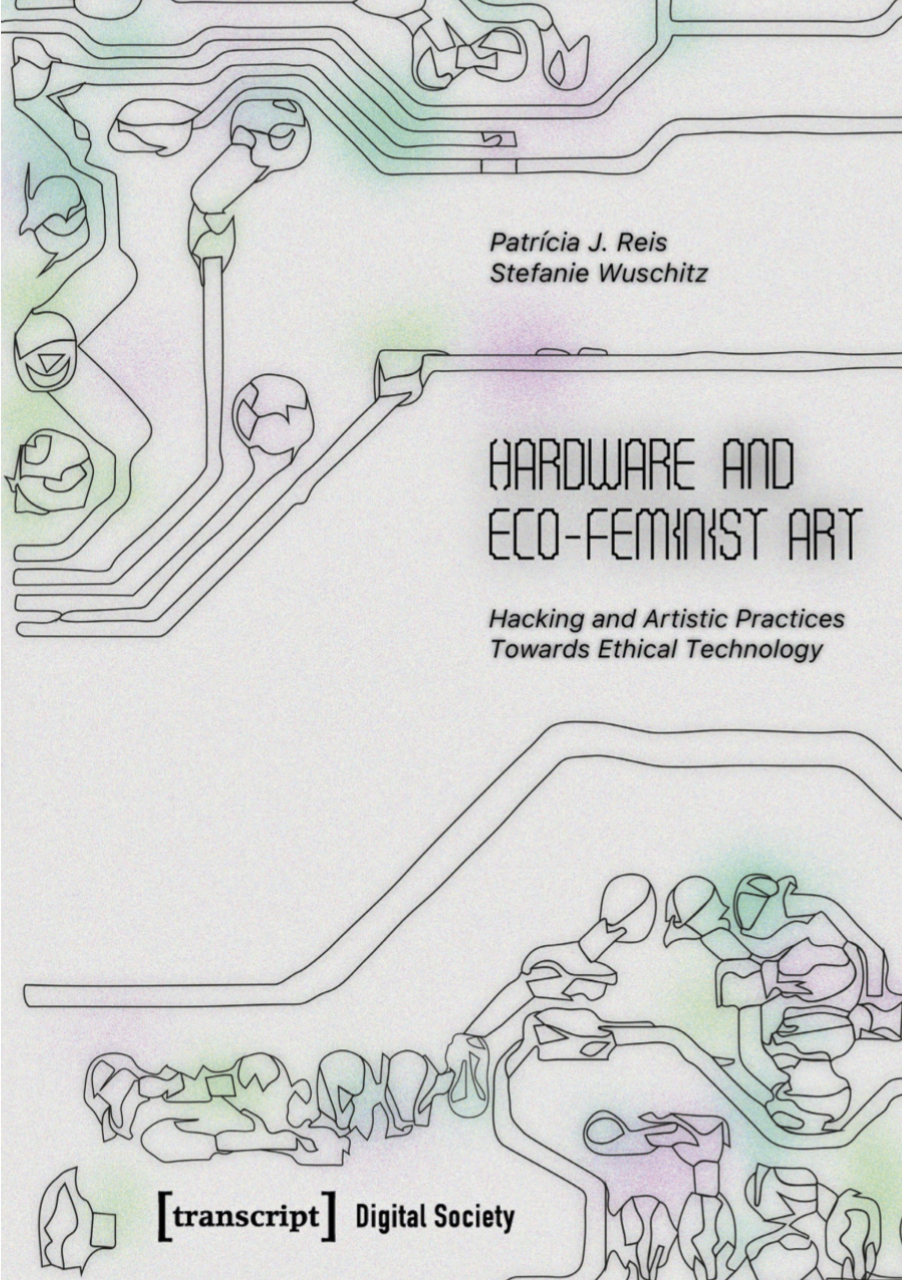
The exhibition is also the third season of the serie titled Mud-Group, a project initiated by Kristin Weissenberger that revolves around the group’s collaborative and artistic process, using ceramics as their primary medium for exploration. The Mud-Group#3: Who Has Land to Make a Fire? is a project supported and co-financed by the Research PEEK Project Feminist Hacking: Building Circuits as an Artistic Practice, Financed by the FWF – Austrian Science Fund | PEEK (AR580) at the Academy of Fine Arts in Vienna conducted by Stefanie Wuschitz, Patrícia J. Reis and Taguhi Torosyan, who are co-curators in this exhibition.
Mz* Baltazar’s Lab 2023 program is supported by Bundesministerium für Kunst, Kultur, öffentlichen Dienst und Sport (Kunst und Kultur) and the Kulturabteilung der Stadt Wien.
Photo credits: Verena Tscherner
About the artists:
Céline Struger
(*1982, Klagenfurt) beschäftigt sich mit Skulptur und Installation. Ihr Fokus liegt in der Neuverhandlung von Orten, sie befasst sich mit den Themenschwerpunkten Post-Kapitalismus, Ökologie und Mythologie. Struger stellte zuletzt bei She BAM! und in der MQ Art Box (solo) aus. Außerdem war sie an institutionellen Gruppenausstellungen im TEA Tenerife Espacio de las Artes und in Synagoga – Zentrum für zeitgenössische Kunst beteiligt
Kristin Weissenberger
(*1982, Stmk.) widmet sich in ihrer skulptural-installativen Praxis der Frage, wie wir, mit der uns umgebenden Sphäre aus Materie und Organismen, im Austausch stehen. Dabei beschäftigt sie sich vermehrt mit der Überlagerung und Neuverknüpfung sogenannter natürlicher, technischer, digitaler und handwerklicher Prozesse. Ihre Arbeiten wurden zuletzt in der Künstler:innenvereinigung MAERZ ausgestellt, davor führte sie ein Projekt in die Sub-Arktis, wo sie mit „Probe_Particle_Encounter“ eine Installation im Gelände einer Forschungsstation verwirklichte.
Patrícia J. Reis
(*1981, Lisbon) is a media-installation artist whose practice encompasses different formats and media to question and expand human-machine affinities through new materialism and feminist hacking lenses. In her installations she often appeals to the visitor’s sensoriality in an intimate and sensual way, encouraging them to become active participants. Her work was just recently exhibited at the Havana Biennial in Cuba, at the Kunstraum pro art, Hallein and at the Group Show „RGB EXPIRA: 2022“, Castelo e Paço dos Condes, Ourém, Portugal. In 2021 was awarded with the Outstanding Artist Award in Media Art by the Austrian Chancellery for Culture.
AUSSTELLUNG VON RENI HOFMÜLLER von 11.2. bis 25.2.2023
Eröffnung: Freitag, 10.2.2023, 19 Uhr: Liveperformance und Führung
Finissage: Samstag, 25.2.2023, 14-17 Uhr: Picnic / Potluck bei Schönwetter im Park
Öffnungszeiten:
Donnerstag und Freitag 14 – 19 Uhr und Samstag, 11 – 19 Uhr
Sich mit der Welt auseinanderzusetzen heißt, in sie einzutauchen und in Resonanz mit ihr zu gehen.
In ihren Arbeiten geht Reni Hofmüller auf das Vorhandene ein: Menschen, die Umwelt und natürlich Klänge. Sounds, kleine und große Schnipsel aus der Vielzahl an Hörbarem und Unhörbarem. Sie nimmt, was da ist. Gebäude, Skulpturen, Werkzeuge, Materialien und natürlich Klänge – sie schaut sie sich genau an und haucht ihnen neues Leben ein. Sie versucht, neue Formen aus dem Istzustand zu entwickeln – sowohl in ihrer künstlerischen als auch in ihrer gesellschaftspolitischen Arbeit. Die Arbeiten von Reni Hofmüller sind eine Galaxie der Vorstellung einer resonanten Welt.
Resonating Sculptures & Radio Cyborg Transmitter RCT
Exhibition by Reni Hofmüller
Engaging with the world means immersing oneself in it, entering into resonance with it.
In all her works, Reni Hofmüller responds to what is there: people, the environment and, naturally, sounds. Sounds, small and large snippets from the plurality of the audible and inaudible. She takes what she finds there. Buildings, sculptures, tools, materials and of course sounds – she looks at them closely and breathes new life into them. She aims to develop new forms from the actual state – both in her artistic and in her socio-political work. Reni Hofmüller’s works are a galaxy of the vision of a resonant world.
Opening Friday, 10th of February 2023, 7 pm Live performance and guided tour
Duration: 11th of February 2023 until 25th of February 2023
Opening Hours:
Thursday and Friday 2pm – 7pm
Saturday, 11 am – 7 pm
Foto: Martin Gross
Finissage: Saturday, 25th of February 2023, 2pm – 5pm Picnic / Potluck (in good weather in a park nearby, if it’s bad we stay in the exhibition space and picnic inside)
Reni Hofmüller will not always be there during the opening hours, but there is always somebody informed present and can give introduction to the works; kids are welcome always and especially for the finissage / picknick!
… auf dem Weg … dorthin‘ zeichnet den Lebensstil von Teresa Feodorowna Ries (TFR) – und damit einer Epoche: Zum Arbeiten, zur Sommerfrische, zur Gesundung, zu Ausstellungen, ins Exil, … Das Reisen an sich. Im ‚Gepäck‘ das persönliche Gut, das Notwendige für die nächsten Tage, Wochen, … die Werke – und Arbeitsmaterial.
In Mz* Baltazar`s Laboratory gibt das TFR Archive/Kittelkollektiv Einblicke in das Artistic Research Projekt zu Teresa Feodorowna Ries. Die gezeigten Werke des Kollektivs bilden gleichzeitig den Frame für die feministische Performance Zwischen den Zeilen / Die Zeilen dazwischen.
Nach der Performance entsteht aus den Blättern, der übereinander geschriebenen Zeilen der Autobiografie von Teresa Feodorowna Ries ein Künstlerinnenbuch. Dieses Buch wird 2023 in Rom bei der Ausstellung Un Paradiso Amaro/Bitter Paradise – Viaggo a Roma präsentiert werden.
Surren und Blitzen am Nachthimmel. Wildes Blätterwerk auf unscharf vorbeiziehendem, feuchtem Waldboden. Nervöse Begegnung am Mammutbaum, gluckerndes Geschwätz mit Truthähnen in der Dämmerung. Lässig frisierte Pferdemähnen, unberechenbare Flugkörper und dröhnend flatternde Rotoren. Gescheckertes Fell wühlt durch Farngestrüpp. Schwirrender Nebel, tropfender Dunst, Baumbart, Unwetter, Licht – gebrochen. Erfundene Dachse, Faden und Spiele.
Critters Chorus, Cycle 1 ist der erste Teil eines laufenden Projekts, das Lisa Truttmann beim Erkunden naturhafter Lebensräume entwickelt. Fragestellungen zum sogenannten “Species Problem” folgend, widmet sie sich den (Un-)Möglichkeiten einer taxonomischen Kategorisierung lebender Organismen aus künstlerischer Perspektive. So entsteht ein fiktionales Ökosystem aus rhythmischer Montage und widerspenstiger Komposition, in der die Arten gegen ihre Einordnung anstimmen.
Die Audio- und Videoaufnahmen sammelte die Künstlerin während Residency Aufenthalten im Süden Estlands (Maajaam Project Space, 2019) und in den Santa Cruz Mountains in Kalifornien (Djerassi Resident Artists Program, 2022). Gefördert durch das Land NOE
Kurzbiografie: Lisa Truttmann (*1983) lebt als Künstlerin und Filmemacherin in Wien. In ihren Arbeiten spürt sie den Strukturen von sozialen, architektonischen und ökologischen Landschaften nach und verknüpft dabei dokumentarische Elemente mit spielerisch inszenierten Versatzstücken. Aktuell beschäftigt sie sich mit der Beziehung zwischen Menschen und Dingen in persönlichen und kollektiven Narrativen. Ihre Bewegtbilder und Installation werden seit 2005 international in Ausstellungen und auf Filmfestivals präsentiert.
FOTO CREDITS: Gerald Roßbacher
English:
Critters Chorus, Cycle 1
2-channel video installation
Opening: Dec. 2, 2022, 7:00 p.m. Duration of the exhibition: Dec. 3 – 16, 2022
Whirring and flashing in the night sky. Wild foliage on a moist forest floor, rapidly passing by. Nervous encounters at a redwood tree, gurgling chatter with turkeys at dusk. Casually coiffed horses, unpredictable flying objects and flapping rotors. Speckled skin scrabbles, covered in lush ferns. Swirling fog, dripping haze, old men’s beard, light – diffracted. Sassy badgers, strings and figures.
Critters Chorus, Cycle 1 is the first part of an ongoing project by Lisa Truttmann, developed while delving into unfamiliar habitats. Lead by questioning the so-called “Species Problem”, she investigates the (im)possibilities of taxonomic categorization of living organisms from an artistic point of view. This way she creates a fictional ecosystem of rhythmic montage and unruly composition, in which the species raise their voices against imposed classification.
Audio and video recordings have been collected during artist residencies in southern Estonia (Maajaam Project Space, 2019) and in the Santa Cruz Mountains in California (Djerassi Resident Artists Program, 2022).
Short biography: Lisa Truttmann (*1983) is an artist and filmmaker based in Vienna, Austria. In her practice she ties documentary elements into staged settings and rhythmic compositions, tracing the structures of social, architectural and ecological landscapes. More recently she is concerned with the relationship between things and people, embedding them in personal and collective narratives. Her moving images and installations have been exhibited and screened internationally since 2005.
About the event: Stephen Zepke’s reading ofLotta Ingman’s paintings is a sensitive and thoughtful analysis of what contemporary painting is today. With careful observations and elaborate lines of thought, philosopher Stephen Zepke introduces the reader to Ingman’s both playful and serious research into abstract painting. A research that in Zepke’s words “strives to offer the spectator an aesthetic experience that transcends both the corporeal and conceptual dimension, enabling the painting to retain its enigmatic openness of meaning.”
Treten Sie ein in das Future Lab Delphi 2.0, das Sie bei Ihren Ängsten, Wünschen und Fragen berät.
Unser Labor ist ein Ort der Begegnung, des Austauschs, der Entspannung, des Zweifelns und der Kommunikation. Die Phyto-Pythia, unser Pflanzenorakel, erzeugt Ihren persönlichen Orakelspruch, der als Grundlage für Diskussionen über mögliche Zukunftsszenarien dient.
ENGLISH
Step into the Future Lab Delphi 2.0 advising you on your fears, wishes and questions.
Our Lab welcomes everyone and serves as a space for connecting, interacting, relaxing, doubting and sharing.
The Phyto-Pythia, our plant oracle, generates your personal oracle spell serving as the basis for discussions about possible future scenarios.
The bathtub is a means of transport of liminality. Here, media-, book- and magazine- worlds merge with our inner conversations and fantasy. Thoughts and worlds pass lucidly by while we navigate our presence into transcendence with ease in the bathtub. The submersion not least as a symbol of the little death. The uncertain letting go – breathless – and the emergence from the water as the resurrection not from ashes – and visibly new – but inwardly transcendental. But the option of failure is inevitable. Lying in the bathtub, the protagonist of Tina Kult’s video work negotiates their paralyzed and tired state in a soliloquy. In a supposed manifestation of relaxation, the video installation Power & Sleep questions the effects of the questionable high-performance society and the relationship between time, work and productivity.The face of high pressure from the neoliberal outside world is swimming along with the protagonist. So it only becomes a distorted image of an unfulfilled promise of salvation.
Mz* Baltazar’s Laboratory (Stefanie Wuschitz, Patricia J. Reis, Taguhi Torosyan, Olivia Jaques, Anna Watzinger, Lale Rodgarkia-Dara)
LOCATIONS
Academy of Fine Arts Vienna / Mz* Baltazar’s Lab / AIL
ABOUT
Queer, non-binary and female-identified media artists come together to rethink the notion of hardware from a feminist perspective. They extend the ethics of feminist hacking to ecological circuits. By using decentralized, fair-traded, modular, renewable, non-toxic materials they speculate upon future alternative technologies: they create hardware made from water, air, bubbles, waste, body liquids, microbes, glass, soil or plants.
We proudly present a diverse selection of local and international artists who generate empathic, eco-sentient and anti-racist soft/hardware. They investigate the use of organic, biodegradable, microbial matter for creating ethical technology that helps to unpack the late capitalist industrial complexity of the high-tech.
Building their artistic circuits the artists are learning from biocultural, reciprocal restoration, feminist data science and environmental movements. By doing so, they prototype models of generative and subsistent commons with human and non-human agents.
Through workshops, talks, performances and exhibitions we will debate artistic, anti-colonial alternatives to sexist, toxic and extractivist commodity chains. This way we propose the term feminist hardware as a vehicle to diffract gender equality with sustainable and healing ecologies. The 1st Feminist Hardware Festival is a synergetic extension of Feminist Hacking: Building Circuits as an Artistic Practice international 3-year art-based research project (PEEK AR580) conducted by Stefanie Wuschitz, Patricia J. Reis and Taguhi Torosyan at the Academy of Fine Arts Vienna in collaboration with Mz* Baltazar’s Laboratory
Institut ramon llull, Government of Catalonia (Delegation to Central Europe), Istituto di Cultura Italiano, Barcelona City Council, Wetlab Barcelona, Hangar Barcelona
PARTNERS
Akademie der bildenden Künste Wien, AIL – Angewandte Innovation Lab
Während dieses Festivals soll Hardware Produktion aus einer feministischen Perspektive überdacht werden, und zwar von queeren, non-binären und sich als weiblich bezeichnenden Medien-Künstler:innen. Gemeinsam wollen wir feministische Hacker-Ethik auf ökologische Kreisläufe anwenden. Beim Spekulieren über die Technologien der Zukunft nutzen wir also ausschließlich dezentral verfügbare, modulare, fair gehandelte, erneuerbare, schadstoff-freie Materialien. Die eingeladenen Künstler:innen schaffen Hardware aus Wasser, Luft, Bläschen, Abfall, Körperflüssigkeiten, Mikroben, Erde oder Pflanzen.
Wir sind begeistert, eine so feine Auswahl an internationalen Künstler:innen begrüßen zu dürfen, die selbst bereits empathische, nachhaltige, anti-rassistische Soft/Hardware entwickelt haben. Um ethische Technologien zu erfinden, untersuchen sie dabei u.a. organisches und verrottendes Material und tragen dazu bei, kapitalistisch-industrielle Zusammenhänge in der High-Tech Industrie zu erkennen.
Wenn Künstler:innen in ihrer Praxis diese Art von elektrischen Schaltkreisen herstellen, fließt viel Wissen aus bio-kultureller, wechselseitiger Erneuerung sowie Wissen aus feministischen Daten Wissenschaften und Umweltbewegungen ein. Es entstehen Prototypen für Allmenden der Selbstversorgung für Menschen und nicht-Menschen.
In Workshops, Vorträgen, Performances und Ausstellungen diskutieren wir künstlerische, anti-koloniale Alternativen zu sexistischen, toxischen und ausbeuterischen Lieferketten. Der Begriff “Feministische Hardware” soll ein Gespräch über das Verschränken von Gleichberechtigung mit Nachhaltigkeit und sich regenerierenden ökologischen Systemen in Gang bringen.
Dieses Feministische Harware Festival ist Teil des vom FWF geförderten künstlerischen Forschungsprojekts Feminist Hacking: Building Circuits as an Artistic Practice von Stefanie Wuschitz, Patricia J. Reis and Taguhi Torosyan an der Akademie der bildenden Künste Wien in Zusammenarbeit mit Mz* Baltazar’s Laboratory.